
Alcohol Dependence: Mechanisms, Psychology, Case Examples and a Professional Therapeutic Approach by Petya Bankova
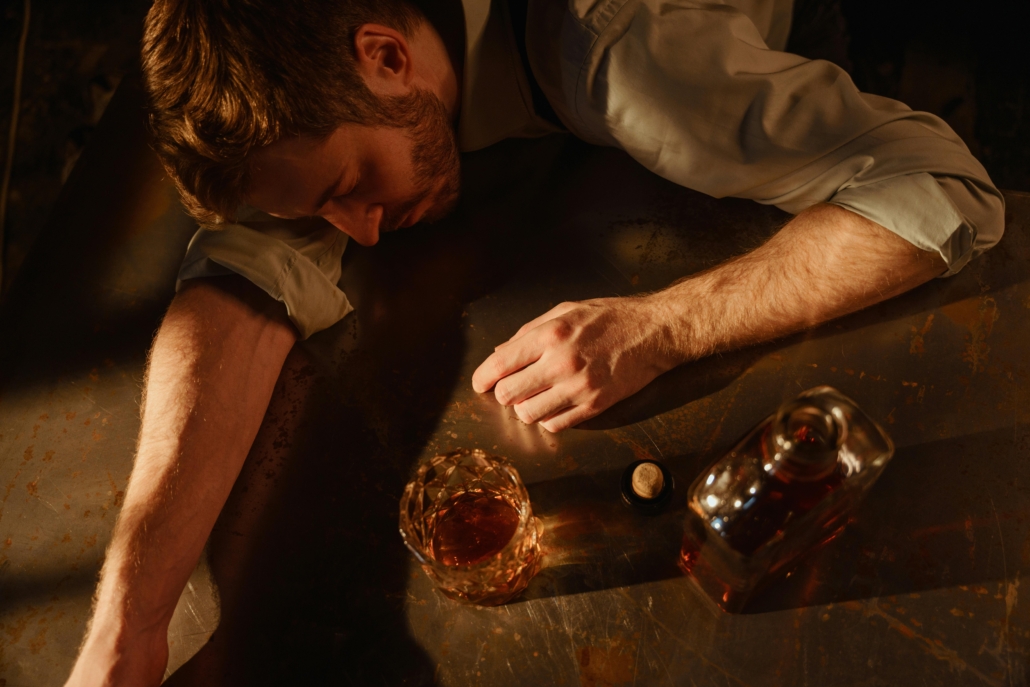
WHAT IS ALCOHOL DEPENDENCE
(My therapeutic perspective on working with alcohol dependence is based on my experience in the Bilani Therapeutic Community.)
Alcohol dependence is a chronic, relapsing brain disease characterized by compulsive drinking, loss of control over the amount consumed, and continued use despite negative consequences. It is not a “lack of character” but a biopsychosocial disorder that changes brain homeostasis, emotional regulation, and behavioral patterns.
A person with alcohol dependence cannot control drinking even when it already causes serious physical, psychological, family, and financial harm. It is a combination of:
• neurobiology,
• psychological mechanisms,
• past trauma,
• family models,
• and strongly conditioned behavior.
Case Example: A 42-year-old successful professional says, “I only drink in the evenings to relax.” After one month of therapy, it becomes clear that he drinks almost an entire bottle of wine every night, has begun hiding empty bottles, and lies to his wife. He feels guilty but says: “When I enter the house at night, I am so tense that my body automatically reaches for the glass.”
This is a classic example of a conditioned reaction.
NEUROBIOLOGICAL MECHANISMS — HOW THE BRAIN LOCKS THE CYCLE
1. The Dopamine Trap
Alcohol sharply increases dopamine levels → the body relaxes → the brain stores this as a “quick fix.”
Over time, the brain begins to demand repetition to achieve the same relief.
Example: A person who drinks “to fall asleep” may, after six months, be unable to sleep without alcohol because the brain has changed its natural balance.
2. Tolerance → Withdrawal → Dependence
Tolerance: the need for more alcohol.
Withdrawal: trembling, anxiety, irritability, heart palpitations when stopping.
Dependence: drinking becomes “necessary” for normal functioning.
PSYCHOLOGICAL FACTORS
Alcohol often begins as a “solution,” not a “problem.”
It is used to:
• numb anxiety,
• replace missing emotional closeness,
• avoid conflict,
• silence the inner critic,
• manage stress.
The pattern: “I drink because I can’t cope – and then I can’t cope because I drink.”
Example: A 35-year-old woman drinks “only on Fridays” to “switch off exhaustion.” After one year, Friday becomes Friday + Saturday. Then Wednesday “to fall asleep.” She no longer controls her use.
SIGNS AND SYMPTOMS

Hidden Signs:
• Buying alcohol secretly
• Inventing excuses
• Emotional outbursts
• Avoiding social events
• Hidden drinking, controlling amounts
• Memory loss (blackouts)
• Irritability when not drinking
• Increasing tolerance
• Problems in family, work, and health
• Self-blame and double thinking (“I am doing this to myself but I cannot stop”)
Functional Signs:
The so-called “functioning alcoholic”: behaves normally in public but collapses at home.
THE CYCLE OF ADDICTION — FULL EXPLANATION WITH EXAMPLES
This is a typical emotional-behavioral cycle observed in all forms of addiction — alcohol, drugs, gambling, pornography.
TENSION BUILD-UP
This is the initial phase. Internal tension builds up which the dependent person cannot regulate maturely. It may come from:
• work stress
• conflict
• feeling of failure
• loneliness
• shame
• inner criticism
• unresolved emotions
• physical exhaustion
How it looks:
A person becomes irritable, anxious, withdrawn, tense. Thoughts appear:
“I want to switch off,”
“I can’t take it,”
“I need a break.”
Example: A man comes home after a stressful day. He feels unappreciated at work, fears a conversation with his partner, and has intense internal tension. His body knows he will drink even before entering the house. The brain has learned: “Alcohol will switch me off.”
ALCOHOL → SHORT RELIEF
When a person drinks, tension drops sharply. Alcohol temporarily blocks:
• anxiety
• self-criticism
• negative thoughts
• social fear
Here the brain receives the “reward” → dopamine.
The effect:
• relief
• feeling of calmness
• perceived control
• “breathing space”
But this is short, chemical, and artificial.
Example: A woman who feels tense and exhausted drinks two glasses of wine and feels the tension “evaporate.” This reinforces the belief:
“See? This works!”
GUILT → PROMISES
After the relief fades, guilt arises:
• shame
• self-criticism (“Why again?”)
• self-disgust
• fear of being found out
• promises like “I won’t drink again starting tomorrow”
At this moment the dependent person sincerely believes they can stop.
But the brain has already learned a quick path to relief → alcohol.
Example: After a binge, a person says: “I am disgusted with myself. Never again.” They even throw away the bottles. But the next day tension returns → the cycle restarts.
NEW TENSION
Guilt itself creates new tension. Additionally, dependent individuals often experience:
• humiliation
• fear
• thoughts like “I failed”
• withdrawal from loved ones
• passive aggression
• anxiety
Meanwhile, external stress continues:
• work
• conflicts
• problems
• exhaustion
This reactivates the internal feeling: “I cannot handle this.”
REPEAT
When tension becomes unbearable → the dependent person seeks the old “solution.”
Alcohol becomes the escape again.
This is the moment when the cycle closes.
Example: A person stays sober for three days. A difficult situation arises → the brain automatically links:
tension = drinking. And the cycle repeats.
Cycle Summary
Addiction does NOT begin with alcohol. It begins with emotional inability to regulate tension.
Alcohol is only a tool for temporary relief → but the cost is enormous.
THE ROLE OF THE FAMILY — THREE CLASSIC DYNAMICS
In families where there is a dependent person, the following roles almost always appear automatically. They are not “bad” roles but protective strategies people use to survive in a chaotic system.
THE RESCUER
(Justifies, covers, “puts out fires”)
Characteristics:
• justifies the dependent person
• hides the substance use
• cleans up consequences
• takes over obligations
• pays debts
• lies for them
• feels responsible to “save” them
What really happens:
The Rescuer unintentionally prolongs the addiction because they:
• remove natural consequences
• create comfort for use
• take away the dependent person’s chance to take responsibility
Example:
A wife who hides traces, calls work for him, says “He is just exhausted.” In reality — she prevents consequences from reaching him.
THE PURSUER
(Criticizes, controls, punishes)
Characteristics:
• constantly dissatisfied
• nags
• controls
• raises their voice
• punishes (silent treatment, controlling money)
• seeks “justice” and “order”
How this affects the system:
The Pursuer creates an atmosphere of fear which:
• increases tension in the dependent person → more use
• deepens shame
• triggers rebellion (“I’ll drink out of spite!”)
Example: A partner says: “You are a failure! Look at yourself!” This increases shame → shame is fuel for addiction.
THE WITHDRAWN
(Emotional escape, distance, coldness)
Characteristics:
• avoids conflict
• behaves as if “nothing is wrong”
• suppresses feelings
• emotionally shuts down
• protects themselves with distance
How this affects the system:
• strengthens the dependent person’s isolation
• lack of closeness is a trigger for use
• the atmosphere becomes cold and disconnected
Example: A child who grew up with an alcoholic parent learns “not to feel.” In adult relationships they recreate the model: “I stay out of it.”
This allows addiction to grow unnoticed.
IMPORTANT: The Three Roles Are Part of One System
The dependent person is not alone. Addiction is a family dynamic, not an individual defect.
People often shift roles:
• Rescuer → Pursuer
• Pursuer → Withdrawn
• Withdrawn → Rescuer
This happens automatically and unconsciously.
If you want to understand how therapy for alcohol dependence works in practice — stages, methods, and real processes in the therapy room — continue to the next article:
How Therapy Works in Alcohol Dependence – Petya Bankova’s Approach
With love and care,
Petya Bankova


Leave a Reply
Want to join the discussion?Feel free to contribute!